We’re part of a global movement transforming the built environment through regenerative design and materials transparency.
Building a living future for all
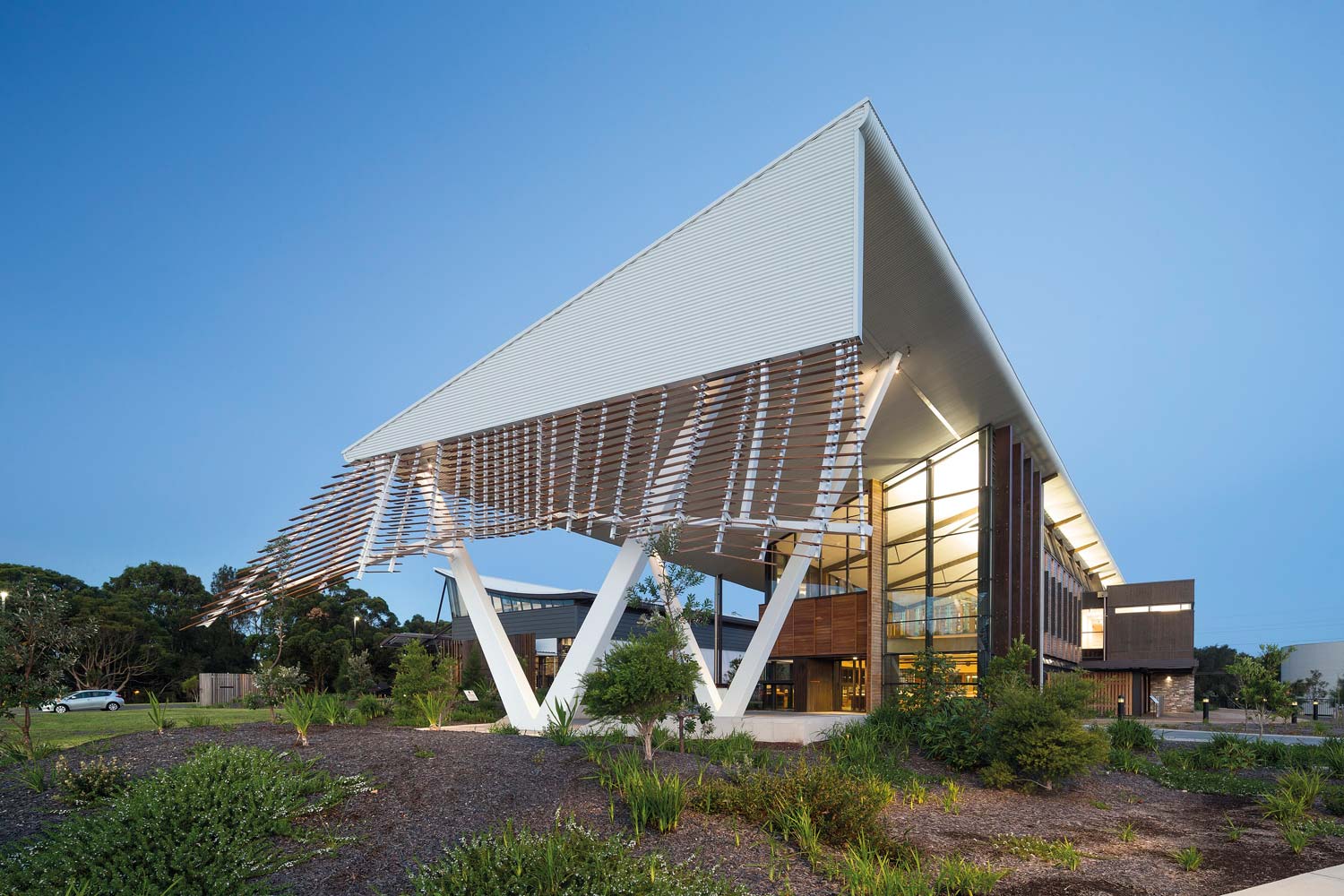
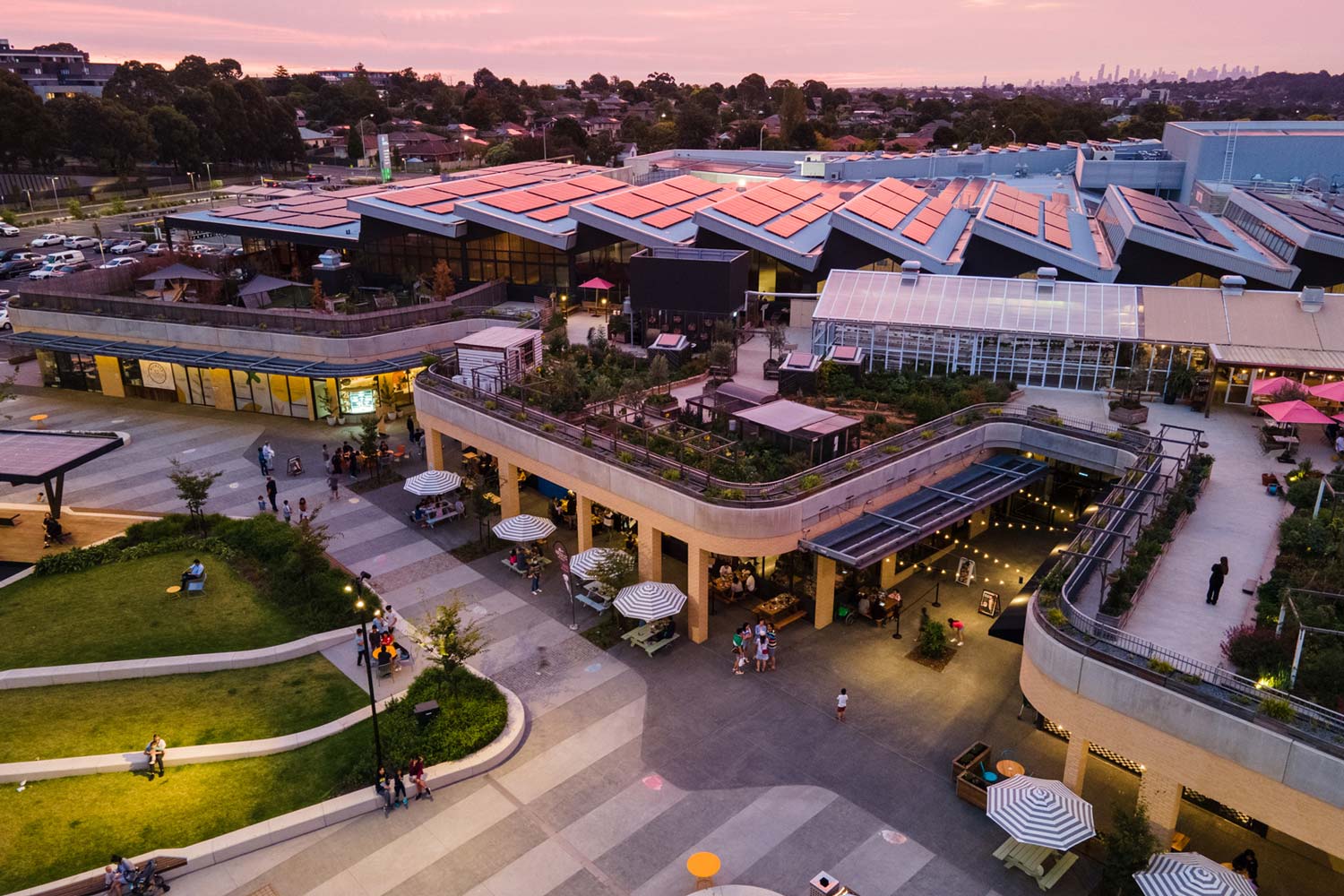
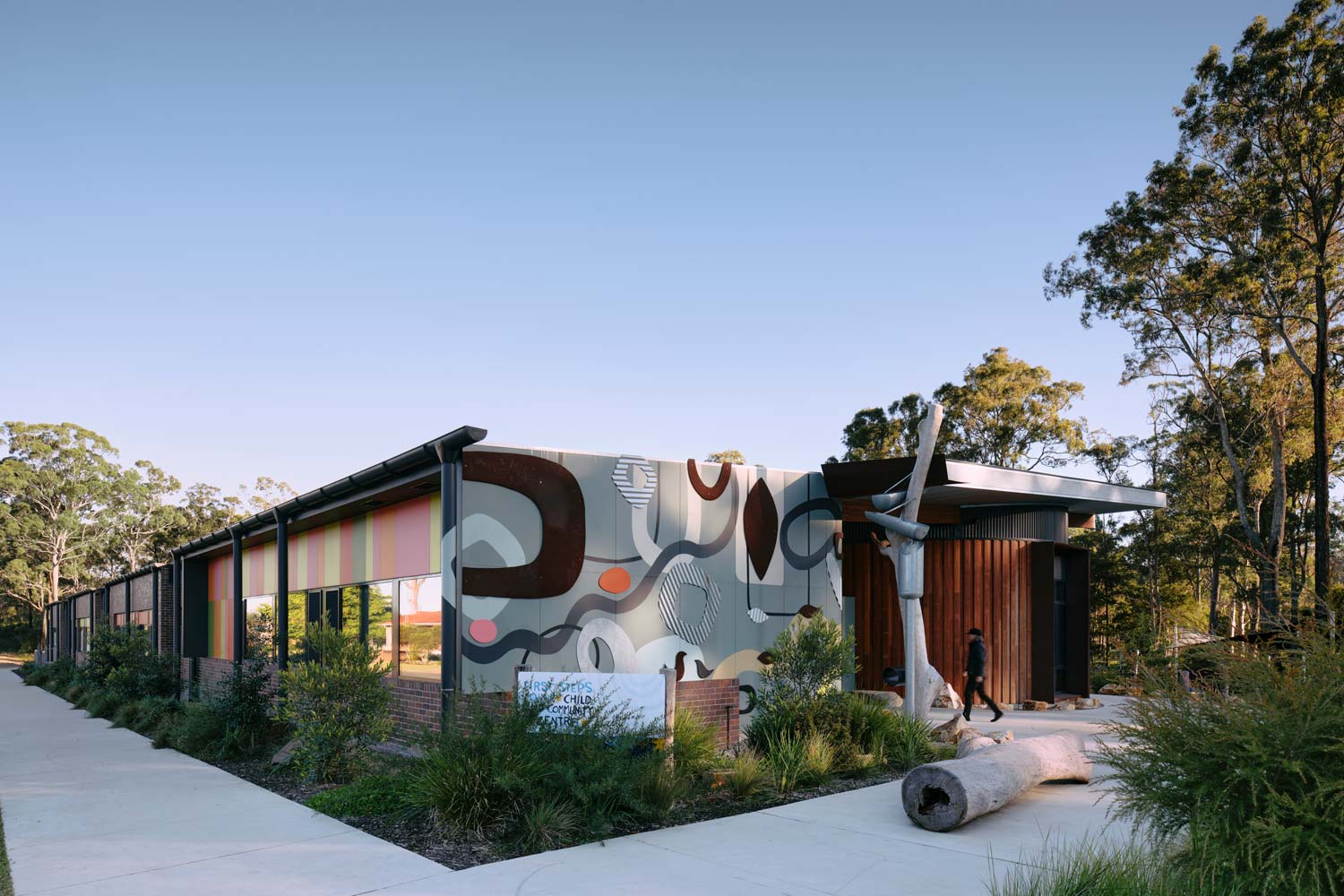
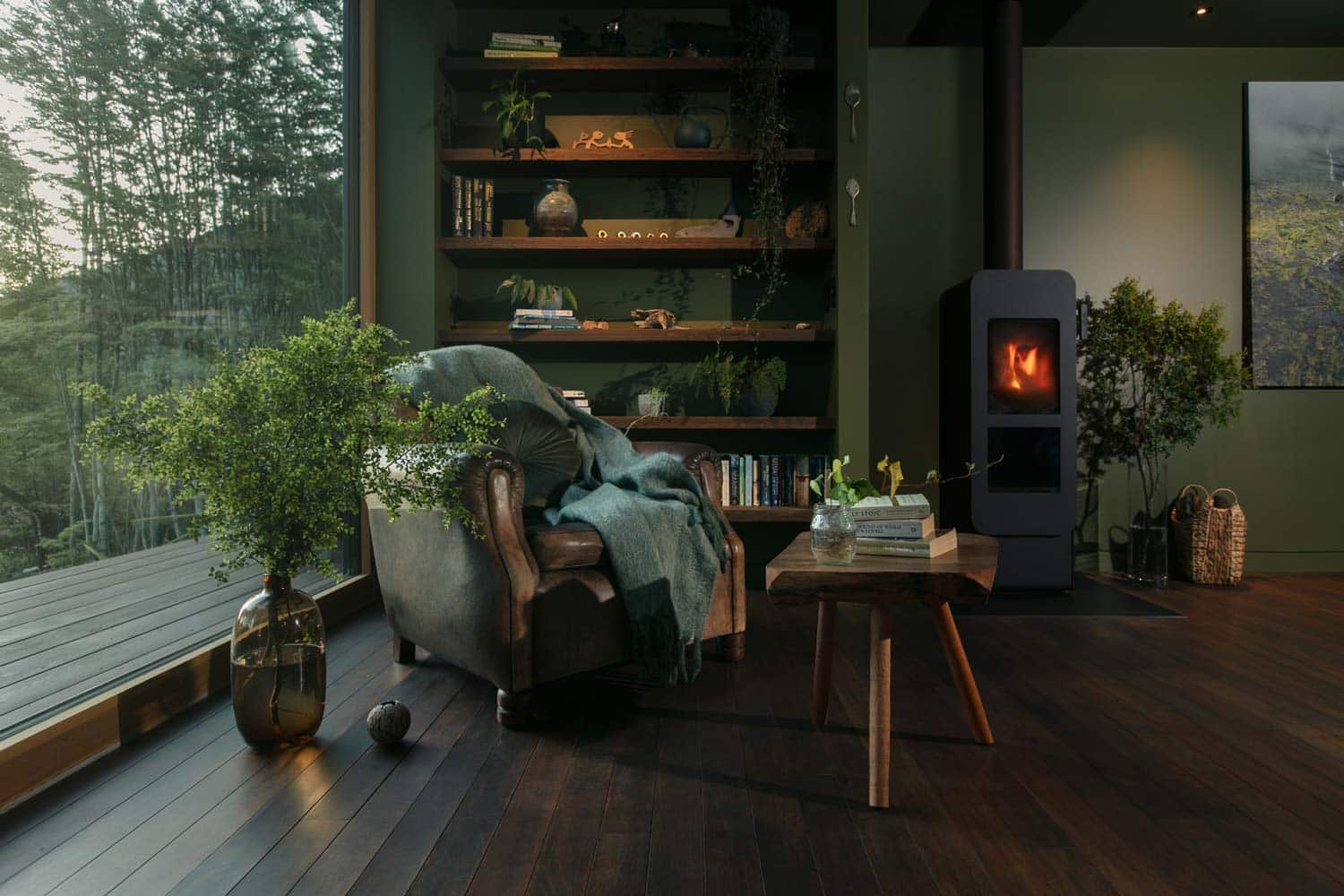
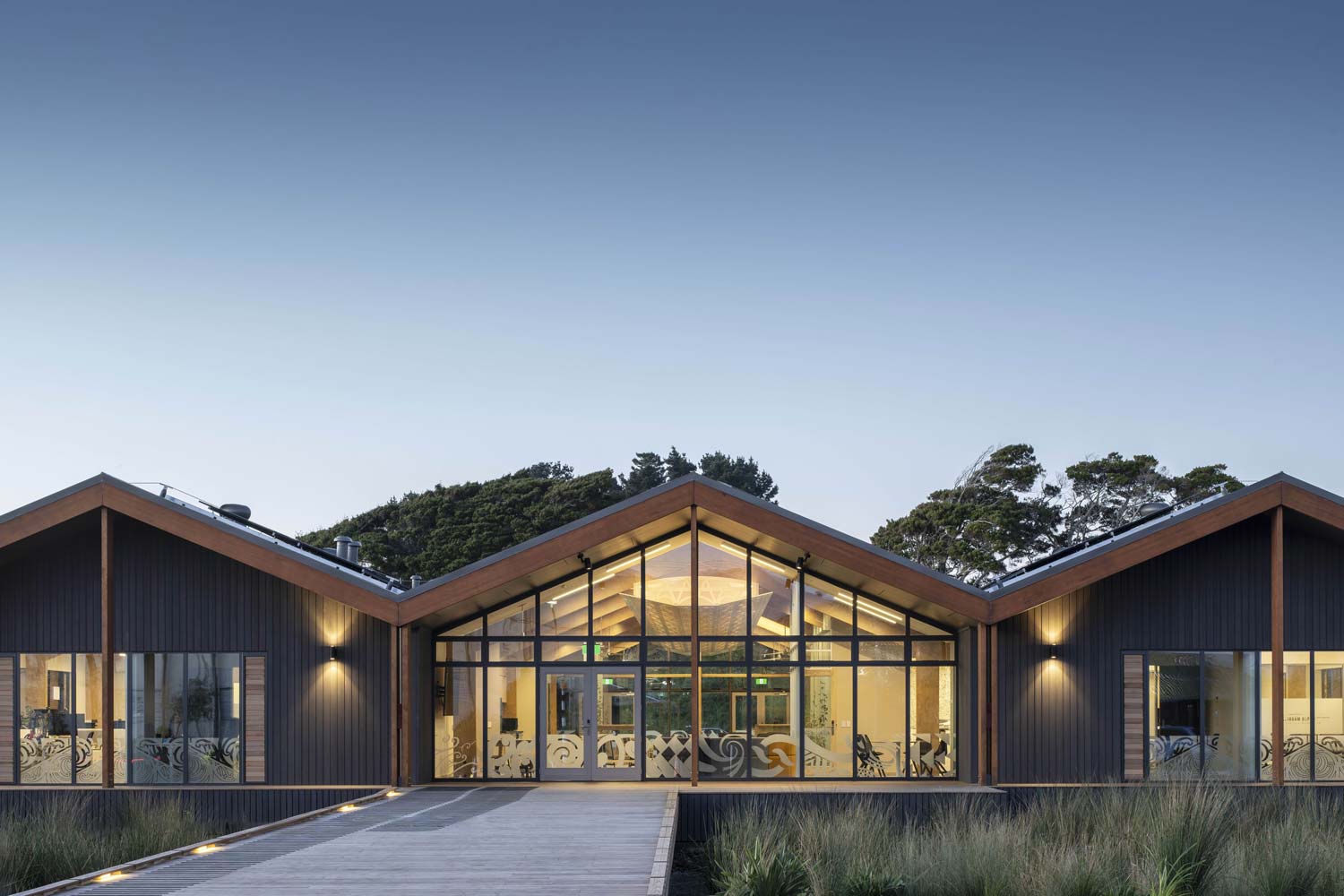
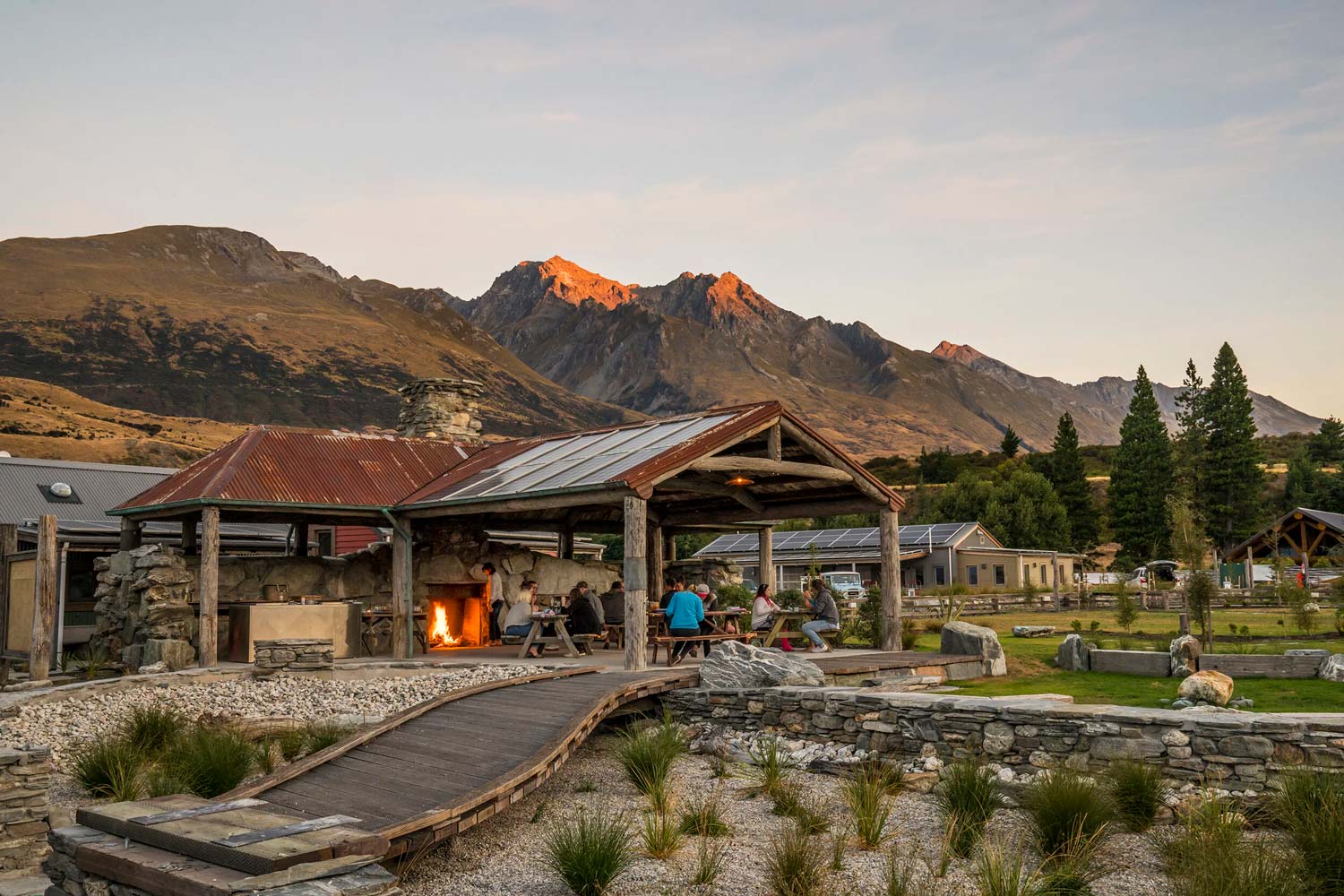
Across Australia and Aotearoa New Zealand, we support the people and projects shaping a regenerative built environment. From innovative buildings to healthy materials, we champion a net-positive impact on human and environmental wellbeing—catalysing a future that is socially just, culturally rich, and ecologically restorative.
Regenerative Buildings
The built environment is one of the largest contributors to the climate crisis, accounting for over 40% of global carbon emissions. It’s no longer enough to minimise harm—we must fundamentally rethink how we design, build, and live with our surroundings.
Regenerative design offers a bold, whole-systems approach that actively restores ecosystems, supports biodiversity, and reduces carbon in the atmosphere, all while improving human health, wellbeing, and community cohesion.
Healthy Materials
We come into contact with harmful substances from our buildings more often than we realise. From paints and carpets to insulation and adhesives, many common building products contain toxic chemicals that can compromise our health.
Our programs increase transparency around what materials we use, enabling us to make more informed, considered and healthier choices that protect people and support the long-term wellbeing of our environment.

Catalysing Industry
We advocate for industry transformation by setting ambitious performance standards and offering practical pathways and support to meet them. Our programs go beyond sustainability to show what good looks like, and how to get there.
Through education, technical advisory, and partnerships, we empower professionals to lead with integrity, embed regenerative design, and shape a future that supports all life.
Project
Spotlight
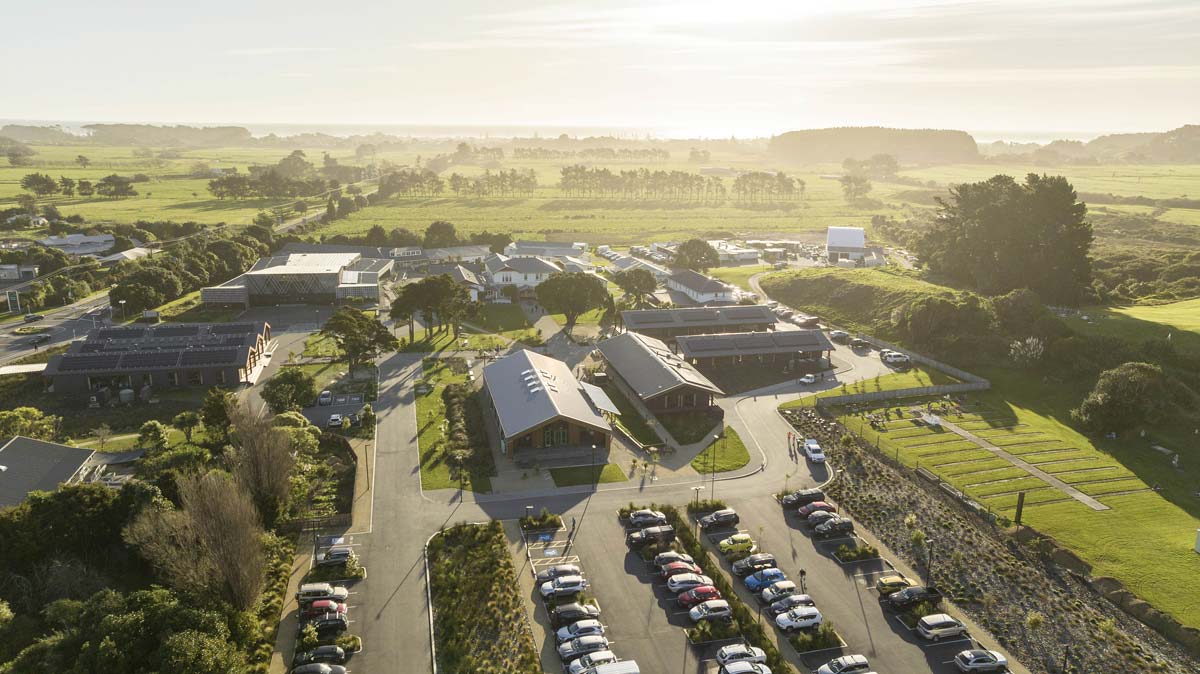
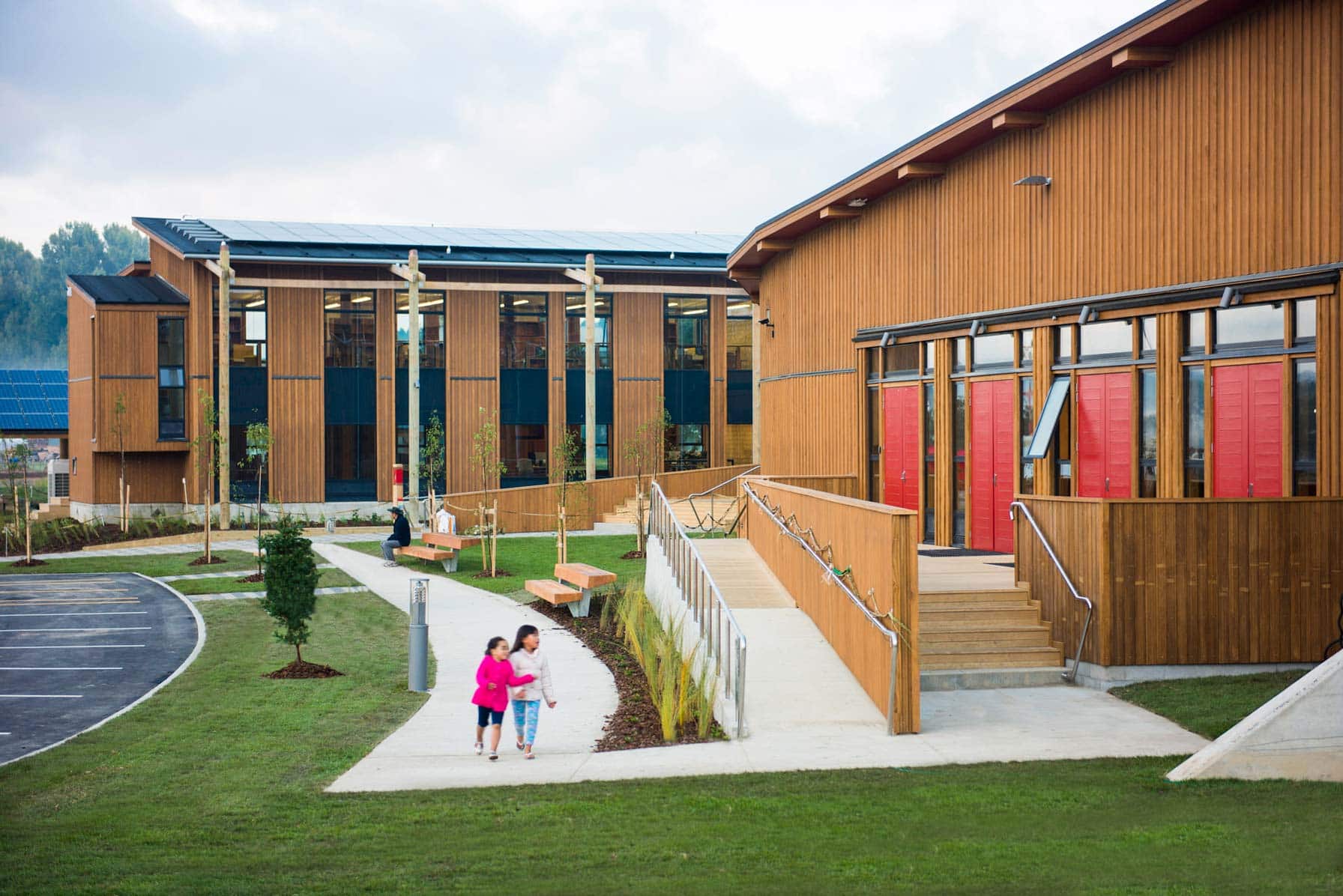
Pā Reo: Full Living Certified
Congratulations to the team at Tennent Brown Architects for achieving Full Living Certification for their landmark educational project, Pā Reo Campus. Located at Te Wānanga o Raukawa in Ōtaki, this project exemplifies regenerative design and demonstrates a holistic commitment to sustainability, cultural integrity, and community wellbeing.
384
Oceania Members
35
Certified or Registered Projects
270
Declare Labels


News
The latest projects, progress, and ideas from across Oceania.
We are Living Future Oceania!
We are Living Future Oceania!
The circular economy: Retaining value by transforming our process
The circular economy: Retaining value by transforming our process
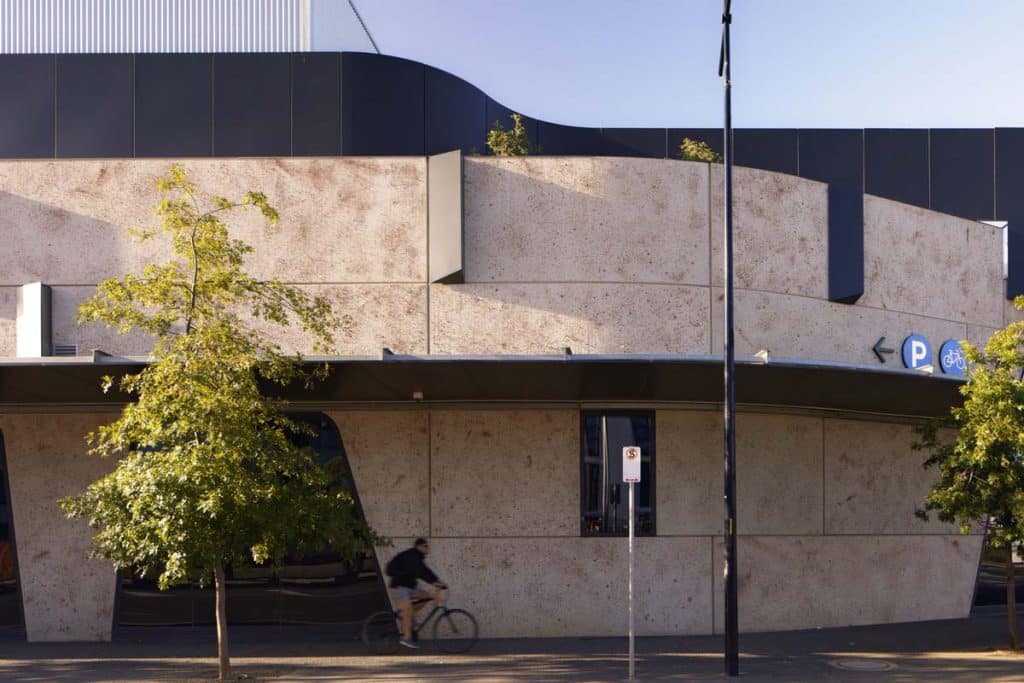
Creating a non-linear materials economy: Putting principles into practice
Creating a non-linear materials economy: Putting principles into practice
I Am Spotted Gum
I Am Spotted Gum
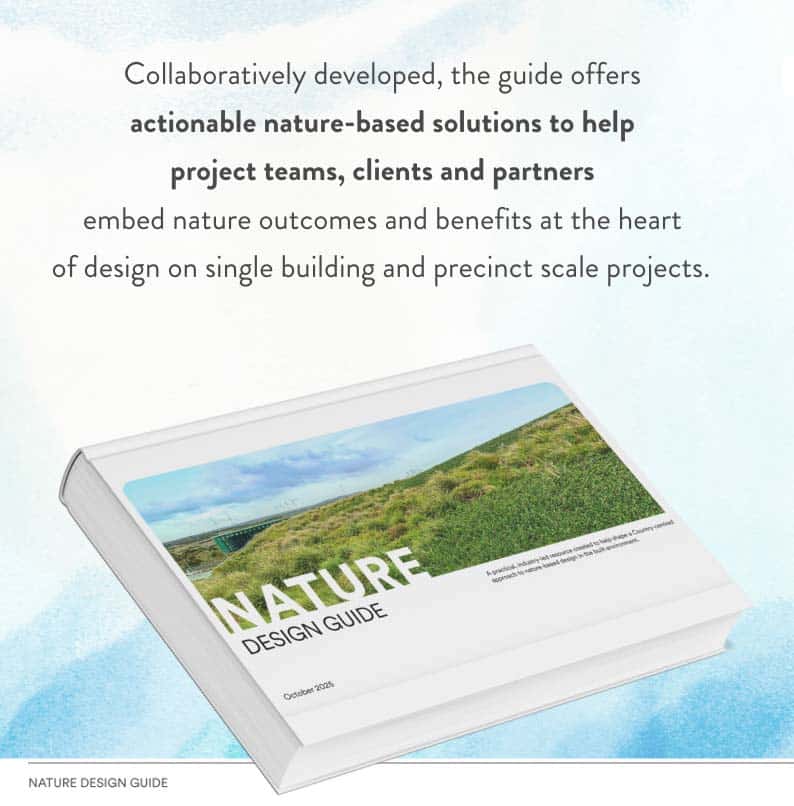
The Nature Design Guide
The Nature Design Guide
Technical Working Group Guidance Notes
Technical Working Group Guidance Notes
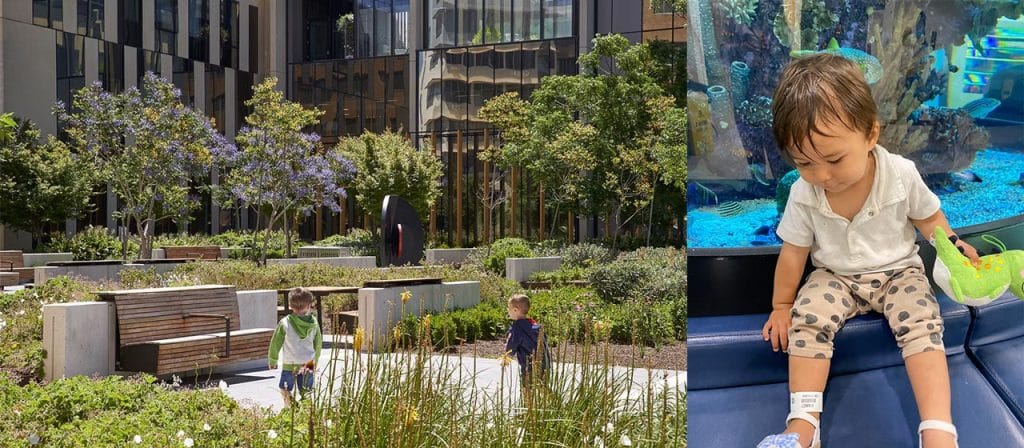
Enhancing wellness through biophilic design
Enhancing wellness through biophilic design
The Living Building Challenge: Where Ambition, Flexibility and Innovation Meet
The Living Building Challenge: Where Ambition, Flexibility and Innovation Meet
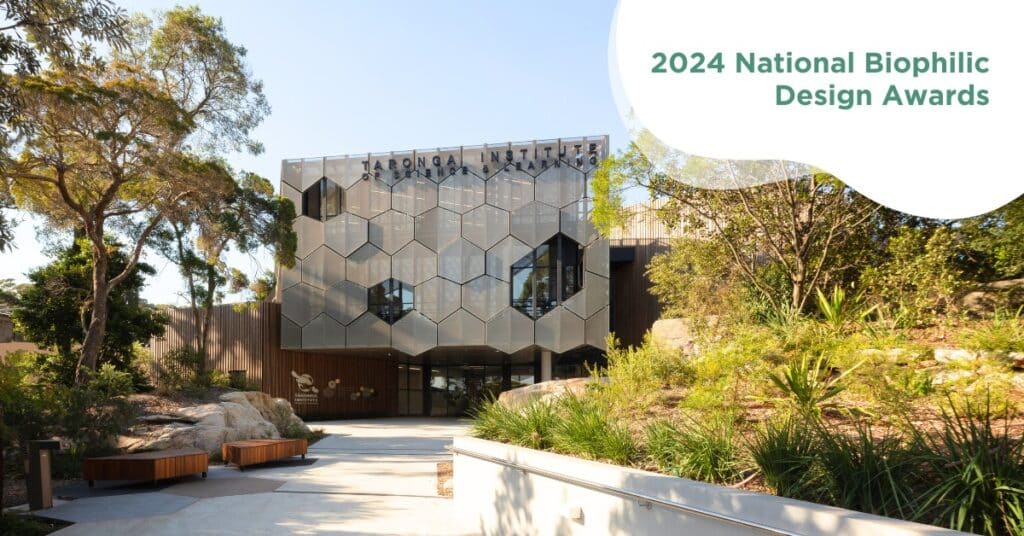
2024 National Biophilic Design Award winners shine bright
2024 National Biophilic Design Award winners shine bright
The Hidden Danger: Lead in Plumbing and Why It Must Be Eliminated
The Hidden Danger: Lead in Plumbing and Why It Must Be Eliminated
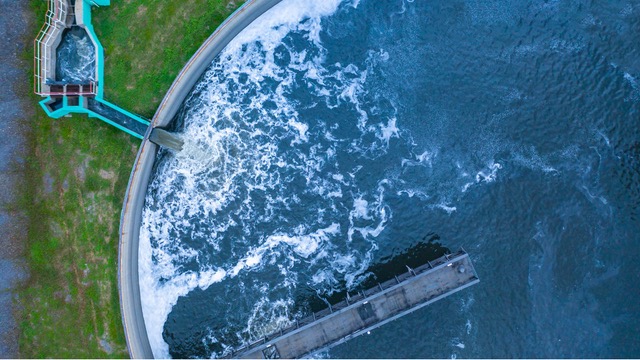
Net Positive Water
Net Positive Water
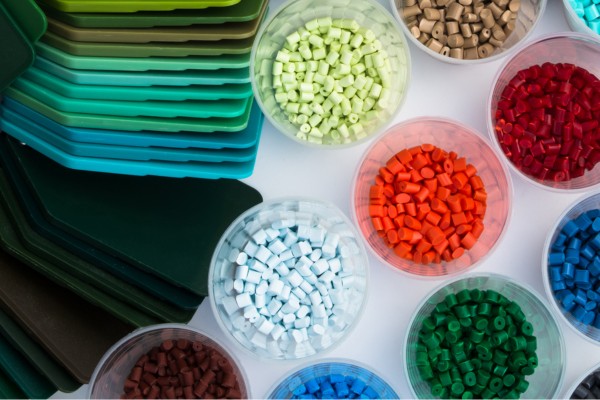
Why is PVC on the Red List?
Why is PVC on the Red List?

Statement of support for Yes23
Statement of support for Yes23
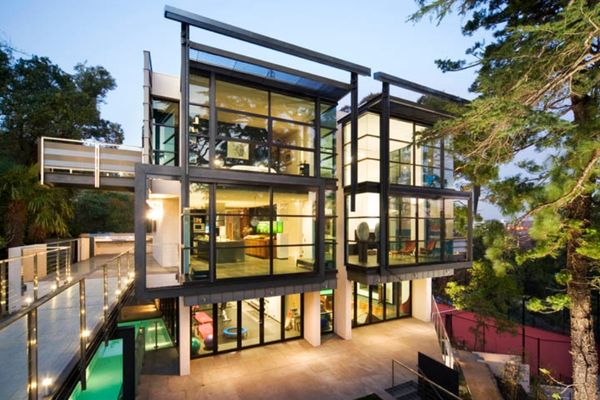
Celebrating the Declare Program in 2022!
Celebrating the Declare Program in 2022!
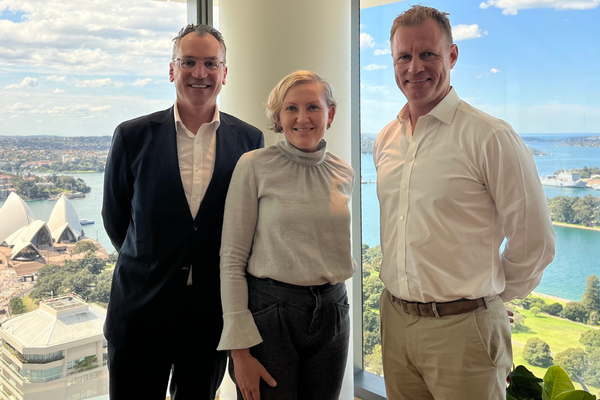
Living Future Institute of Australia appoints new Executive Board Committee
Living Future Institute of Australia appoints new Executive Board Committee
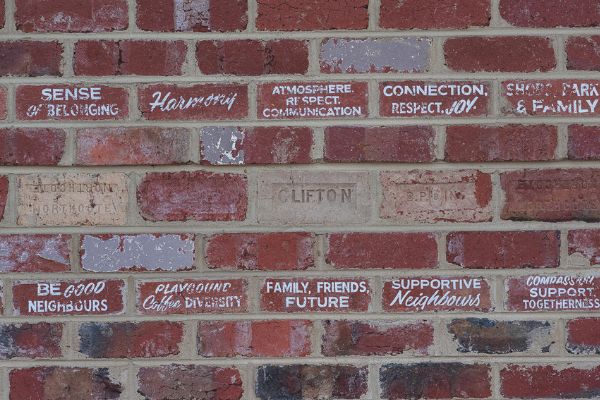
Inspiration for Impact in the Next Financial Year
Inspiration for Impact in the Next Financial Year
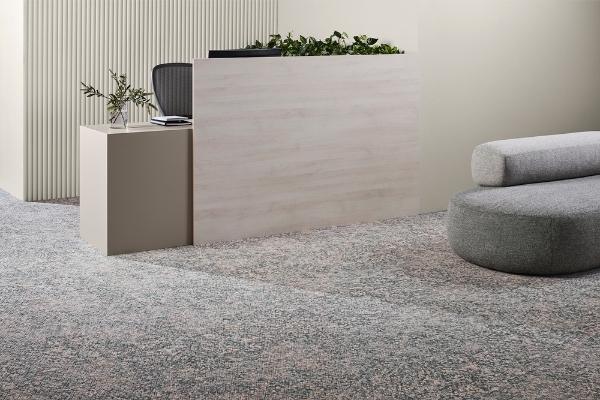
Healthy materials with GH Commercial
Healthy materials with GH Commercial
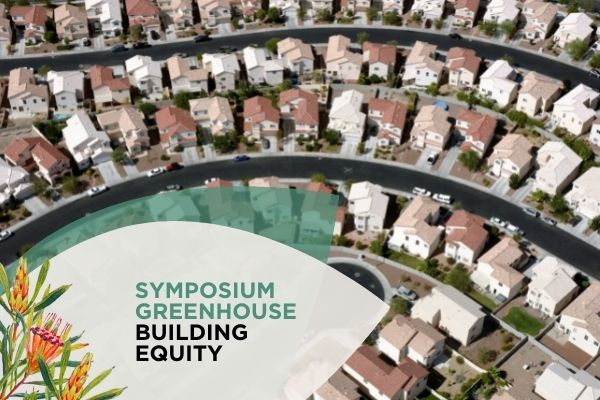
What can the housing market teach us about equitable design?
What can the housing market teach us about equitable design?
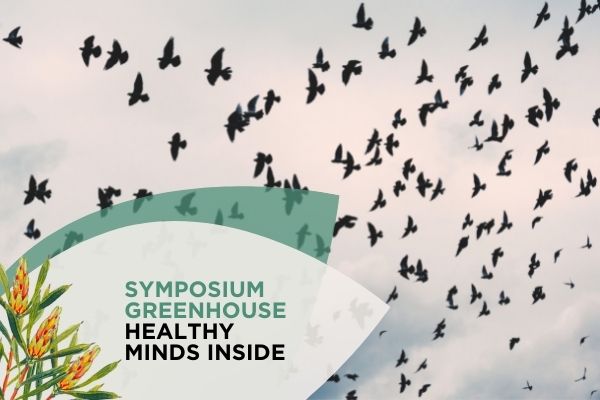
The Art of Flocking: How Biophilic Workplaces Foster Connection
The Art of Flocking: How Biophilic Workplaces Foster Connection
Five Ways to Measure the Value of Carbon Credits Beyond Price
