
The founding members of the Technical Working Group were appointed in October 2020. Using their extensive expertise, their remit is to help contextualise the Living Future programs for Australia and Aotearoa New Zealand, and develop crosswalks with local standards with the ultimate aim of many more Living Buildings.
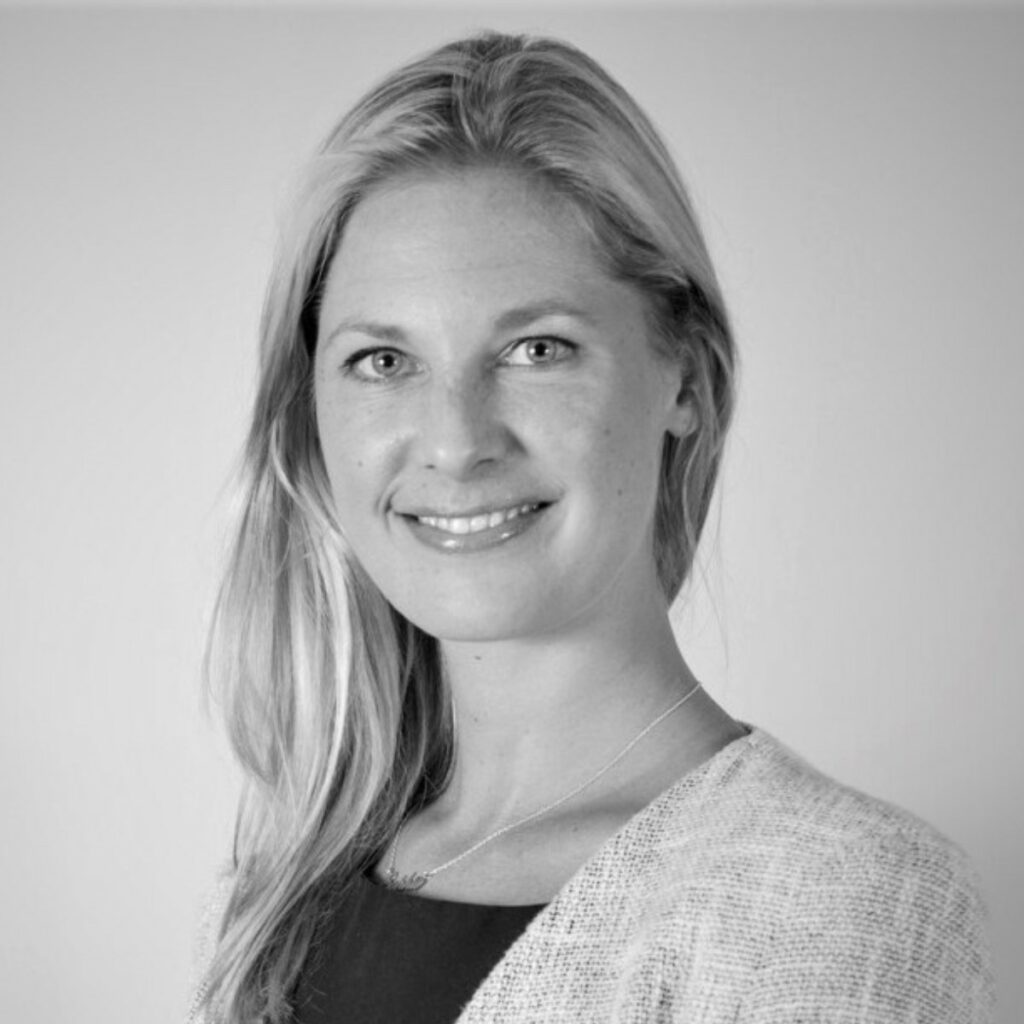
Sophie has spent the past 15 years advising businesses and project teams on a range of Environmentally Sustainable design (ESD) and Environmental, Social and Governance (ESG) outcomes. As an Accredited Professional in both Green Star and the WELL Building Standard, she is passionate about guiding and inspiring built environment projects towards a healthy, Net Zero, nature positive world. She delivers training and education through her role as one of only 11 WELL Faculty members in Australia, and sits on the WELL Global Advisory and the Living Future Institute Working Committee to help guide and improve the standards’ implementation in Australia.
She is also one of only a handful of consultants globally that have undertaken the two leading accreditations to become a Regenerative Practitioner – from both the Regenesis Institute, and from the International Living Future Institute (ILFI). Through this work, she is able to advise on the world’s most rigorous sustainability assessments, the Living Building Challenge, to achieve outcomes that are socially just, culturally rich and ecologically restorative. Sophie has worked on the only Living Building Challenge Retail project in the world (Burwood Brickworks), and is currently working to deliver Australia’s first Living Building Challenge certified residential project.

Damon is an experienced ESD consultant and Green Star assessor with an education in engineering and a family background in the environment. He is passionate about the creation of high-quality, self-sufficient buildings that are great for people, and which make a positive contribution to the local and global ecosystem.

Professor Sarah Bekessy leads the ICON Science research group at RMIT University which uses interdisciplinary approaches to solve complex biodiversity conservation problems. She is particularly interested in understanding the role of human behaviour in conservation, in designing cities to encourage ‘every day nature’ experiences and in defining and measuring ‘nature positive’ development. She co-developed the Biodiversity Sensitive Urban Design protocol that has now been used by numerous developers, governments and non-government organisations to design innovative urban biodiversity strategies.

Angeliki Dimitriou is an accomplished sustainability professional with over 17 years of international experience. Since joining Investa in January 2024 as Head of Environment, Angeliki has led the development and execution of environmental strategies, including Investa's net zero carbon achievement and nature positive strategy. Angeliki continues to drive Investa's sustainability initiatives, ensuring the company meets its environmental targets and maintains its industry leadership.
Before joining Investa, Angeliki held key roles at Mirvac, global professional services firm WSP, and PRP Architects in London. Her expertise includes sustainability strategy leadership, data and performance monitoring, stakeholder engagement, and project management.
Before joining Investa, Angeliki held key roles at Mirvac, global professional services firm WSP, and PRP Architects in London. Her expertise includes sustainability strategy leadership, data and performance monitoring, stakeholder engagement, and project management.
Angeliki holds a Master of Science in Environmental Design & Engineering from University College London and a Bachelor of Civil and Structural Engineering from the University of Thessaly, Greece. Angeliki actively contributes to the industry as a current member of the Property Council of Australia NSW Sustainability Advisory Group, the Green Building Council of Australia's Nature Expert Reference Panel, and the Living Future Institute of Australia's Technical Working Group.

As a Director and leader of Sydney’s Sustainability team, Katie provides a unique approach to sustainability by thoroughly analysing the options available for each project she works on resulting in innovative design solutions and the best outcome within feasible budget and time constraints.
Katie is passionate about implementing leading environmental design in new and renovated developments drawing on an educational background in environmental science, sustainable design, and professional experience in environmental health and sustainability consulting.
Her previous experience in Local Government also gives her valuable expertise in planning regulations, legislative requirements, relevant Standards, Codes and Guidelines to sustainable design.
Katie’s extensive experience in sustainable design has gives her a thorough understanding of the various options available for passive design and resource efficiency from an individual dwelling to precinct scale applications.
Her exposure to high-density, mixed-use precincts include the next generation of development in Sydney, namely Central Park, Discovery Point, Ivanhoe, and Edmondson Park. These developments posed significant challenges, and Katie worked tirelessly and successfully to deliver on the multiple voluntary and regulatory requirements (e.g. Green Star, Section J of the NCC and SEPP/DCP requirements), precinct infrastructure solutions (e.g. precinct-wide central energy and recycled water treatment plant solutions) and client aspirations in a multi-disciplinary environment.

Dr Gerard Healey is sustainability professional who combines a background in engineering and social sciences to work towards a better world. His work experience spans local government, consulting, and the tertiary education sector. He is also active across industry, as chair of the Property Council of Australia (Victorian Division) Sustainable Development Committee, as a member of the Green Building Council of Australia Technical Advisory Group, and as a Green Star Assessor. Underpinning this work is Gerard's efforts to improve his own understanding of evolving from a mechanistic perspective as an engineering student to a more nuanced living systems perspective of the world.


Jovana is a Senior ESD Engineer at LCI Consultants Australia, with master’s degree in Architecture and post graduate qualification in Energy Efficiency and Green Architecture.
She holds more than ten years of industry experience in Europe and Australia, ranging from Architectural design, Energy Efficiency and Thermal Assessments and simulations, LCAs, Climate Resilience Assessments, and ESD Consultancy services for LEED, BREEAM, Green Star, and WELL projects.
Jovana serves on various Industry Committees and holds a number of credentials including: LFA, GSAP, WELL AP, LEED AP, EcoDistricts AP, NABERS, CBD, Carbon Neutrality and NatHERS Accredited Assessor, Environmental Management Systems Lead Auditor (ISO 14001), and Passive House Certified Consultant accreditation.
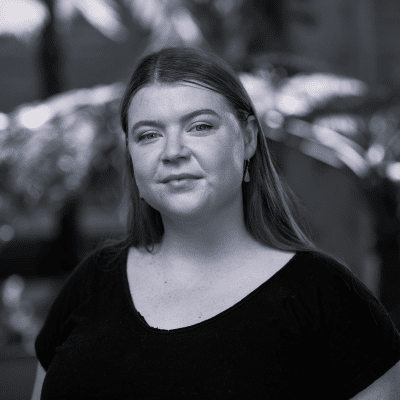
Annaliese is a proud Gadigal designer with a robust architectural and project management background. In 2024, the Australian Design Review named Annaliese in the 30 Under 30 of Architects and Innovators of the Built World. As a New Colombo Plan Scholar, she has had the privilege of working in Tokyo in furniture design and architecture firms. Annaliese has a passion for thoughtfully integrating First Nations culture into design and advocating for community benefits in all project phases.

Ngāi Tahu | Ngāti Irakehu
Samantha is a Senior Project Manager and Director at done. Project Planning + Delivery and a Living Future Accredited Professional. Sam specialises in projects that have ambitious environmental goals and community objectives. She was the first Project Manager in NZ to have followed the Living Building Challenge process - contributing significantly to Te Kura Whare becoming the first fully certified Living Building outside of the USA.
Sam brought the Living Future kaupapa to screens throughout New Zealand when she was engaged as Sustainability Advisor on the TV show Marae DIY. In this role she worked with several Marae throughout Aotearoa in mahi which allowed them to be more self-sustaining, utilising new technologies and the healthiest materials to restore New Zealand’s most unique architecture. She also worked with Sustainable Coastlines to complete their Living Building Challenge submission.
Samantha relishes working with iwi, hapū and marae – who share the values of kaitiakitanga (caring for the environment) and whanaungatanga (caring for each other). Being continuously engaged with community, trained in architecture and having managed projects on behalf of both the contractor and client; Samantha understands a range of different viewpoints around the project table.
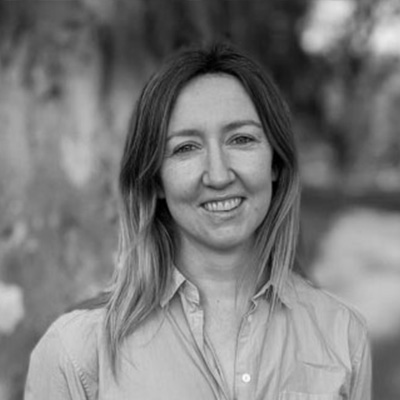
Clare believes that our buildings should serve us without detracting from the living systems we are a part of, and she seeks to harness opportunities and consider constraints to deliver a lower carbon, more systems-integrated outcome. Clare’s favourite part of any project is challenging assumptions about how things ‘should’ be done; habits are hard to break and silos are the norm.
Clare starts by going back to the objectives of a project; there are many pathways for highly varied outcomes. Most projects start in a similar vein – to build something that’s good for people with good economic outcomes. Clare looks beyond the surface and seeks ways to truly improve sustainability outcomes in a way that suits everyone. Clare always chases robust, performance-based outcomes. Ticking boxes on scorecards might be a means to an end but these ratings are tools not outcomes.
Growing up in north-west Tasmania, Clare was always taught to see the beauty and wonder of nature, as well as to never do things by halves. Combine those two with endless curiosity and optimism, Clare is always looking for better ways to do things. Using her work to improve outcomes for people, planet and enhancing prosperity means that is an easy job to do. With her roots in rural Tasmania, Clare came to Melbourne to study mechanical engineering and business. With a few accreditations under the belt, Clare is continually developing her knowledge across broad areas of interest, which stretch from very micro, technical analysis skills in the physics of buildings performance, to the broad, systems view of sustainability. The best solutions are found by bringing the two together, while taking a collaborative approach to projects.
Clare seeks to work on projects where innovation or new approaches is common, and that means team members and stakeholders have to be open minded and ready to be early adopters. Systems based solutions are everything, and it’s as much about building capacity as assisting with solutions. Coming to a shared solution can sometimes result in a better outcome, and Clare aims to build ideas up rather than break them down.
When not at work Clare enjoys getting out of the city, spending time by the coast, being as active as possible: multi-day treks or rides are her favourite way to escape. On most weekends in the city Clare can be found out and about trying to tire out her endlessly energetic young son and Jack Russell, Ralph.

Shanica is the Sustainability Project Technical Lead at Stantec, bringing together her expertise in architecture and sustainability. She plays a role in growing the firm's sustainability impacts through strategic leadership, design excellence, business development and fostering interdisciplinary collaboration.
Shanica's commitment to sustainability extends beyond her professional duties. She volunteers for several thought-leading organisations. Her participation in the Technical Working Group of the Living Future Institute of Australia (LFIA), Environment Advisory Group (EAG) and Sustainable Architecture Forum (SAF) at the Australian Institute of Architects (AIA) underscore her dedication to driving sustainable and regenerative design principles. As State Chapter Chair at the Australian Passivhaus Association (APA), Shanica advocates for the awareness of Passivhaus principles, and as a member of the People & Wellbeing Expert Reference Panel at the Green Building Council of Australia (GBCA),she contributes to developing strategies that prioritise health and wellbeing in building practices. As a Community Concept Advisor for the International WELL Building Institute (IWBI) and previously its Health Equity Advisor, she offers expertise in creating spaces that enhance human health and wellness.
Before joining Stantec, Shanica was the National Sustainability Lead at NBRS and Group Sustainability Lead at DWP, where her project leadership was recognised, earning her commendation for the 2022 NAWIC NSW Award for Excellence in Sustainability. Shanica holds multiple professional accreditations, including Architect registration (VIC), Living Future Accredited Professional, Certified Passivhaus Designer, WELL Accredited Professional, and Green Star Accredited Professional. She is dedicated to guiding the architectural industry towards a more sustainable, equitable, and environmentally conscious future.

Stephanie is the founder of Nature Collective, a design and consulting practice dedicated to nature-based solutions in the built environment. Nature Collective’s mission is to create cities and communities where nature and biodiversity thrive alongside people.
She is a Registered Architect, Mechanical Engineer, Environmental Engineer and Ecological Sustainable Design (ESD) Engineer with over 14 years’ experience in sustainability, innovation and design in the built environment.
Her experience includes developing and leading the implementation of sustainability strategies for large-scale projects and bids, facilitating Biodiversity Sensitive Urban Design (BSUD) for projects and precincts, leading organisational innovation programs and the development of Nature Strategies.
Stephanie has actively sought out research and innovation collaborations to enhance nature outcomes via her roles in design, development and construction. At a time when urgent climate and biodiversity action is needed across the built environment, innovative thought and acceleration is key, and this is the space in which Stephanie thrives.
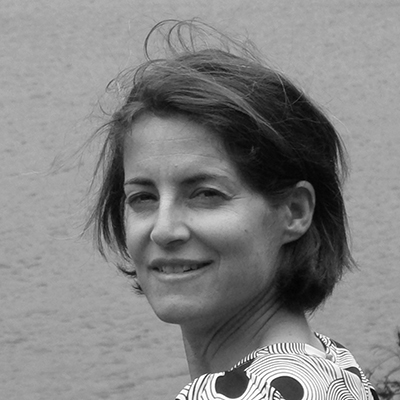
Nicola Smith is a UK-registered architect with extensive experience working at a senior level in architectural and other built environment practices. She has been a Green Star Accredited Professional since 2009. Nicola is the Technical Officer at the Living Future Institute Australia, focussing mainly on the Declare program.
She also freelances in quality control, design management support, peer review, and is an urban design subject matter expert. Nicola is passionate about sustainable design outcomes, healthy materials, and enabling positive change through regenerative development.

Marcus is the Technical Lead (Passivhaus) at HIP V. HYPE, working within their Better Buildings team as a specialist in highly energy-efficient building design. As a former board member of the Australian Passivhaus Association, Marcus also led their technical working group and currently teaches their Passivhaus Designer course. Marcus recently completed his PhD researching pathways to net-zero energy for multistorey mass timber buildings in hot and humid climates, presenting his findings around Australia, as well as in Chile, China, Germany, and Norway. He retains a research role at the University of Queensland to advance offsite manufacture of adaptable lightweight high-performance panelised timber assemblies with component reuse. Through his consulting role as a Passivhaus Institute Accredited Certifier and Certified Passive House Designer, Marcus has worked on a number of industry-leading sustainability projects across the public and private sectors. Marcus specialises in the Passivhaus standard and mass timber design, which he sees as fundamental steps towards a net-zero carbon-emission society.
These sustainability interests developed from growing on his parents’ permaculture garden. While Marcus' time in Europe saw him WWOOF on a farm in Denmark, partake in a Solar Decathlon competition, assist in an Earthship construction, and tour a number of sustainable housing model districts around Europe, which were all formative experiences influencing his professional direction. When not at the desk, Marcus enjoys getting out of the city and into the wild for multi-day hiking, bike touring, paddling, and trail running adventures.

Richard Stokes leads the sustainability team in Victoria across decarbonisation, buildings and communities, infrastructure and policy.
Richard is changing the way the industry defines and delivers best practice to improve sustainable outcomes in the built environment, often asking ‘what does good look like?’.
He strives to improve the whole building performance of his projects and has driven sustainability strategies for several new and existing masterplans, precincts, buildings and workplaces. He is experienced in delivering successful and award winning outcomes for clients including through the use of globally third-party verification standards including Green Star, WELL, PassivHaus, FitWEL, NatHERS, the Living Building Challenge and NABERS.
Richard combines technical expertise, digital tools, sophisticated calculations, and sketching to influence considered designs. His skills in visualisation of complex data also lead to effective decision making for designers and clients.
Recent projects include leading the sustainable design for the innovation precinct at the University of Melbourne, Melbourne Connect and leading the sustainability strategy for our workplaces in the region which are pursuing the Living Building Challenge.
Richard holds a Master in Engineering with Honours in Architecture and Environmental Design from the University of Nottingham, UK, and has worked in the UK, UAE and Australia.
Richard has held industry roles with the Chartered Institution of Building Services Engineers (CIBSE) and the Australian Passive House Association (APHA). He presents at conferences in Australia, and has spoken at Green Building Day, the NABERS conference, Paraguru, the Future of HVAC, TEFMA and Green Cities.

Jan van der Bergh has worked in the development sector for over 15 years, leading residential, mixed use and master planned developments in Sydney and London. As a Senior Development Manager for Mulpha Australia, Jan leads the team on Norwest Quarter, a project which will transform 3.8 hectares of greenfield land into a vibrant village centre consisting of nine residential towers containing 864 apartments and 6,000m2 of space provided for cafes, restaurants, neighbourhood shops and childcare facilities. Norwest Quarter is working to being Australia’s most ambitious zero carbon precinct, where apartments consume two thirds less energy, one third less water, powered by 100% renewable electricity, and are designed to make it easy for anyone to sending zero waste to landfill.

VALE HARIS MORIATIS
1971-2021
Haris Moriatis was a founding member of the TWG, LFIA Board Member and beloved sustainability professional. Please join us in remembering him here.
